Atar
Gateway to the Adrar — the base for all great Mauritanian desert expeditions
Overview
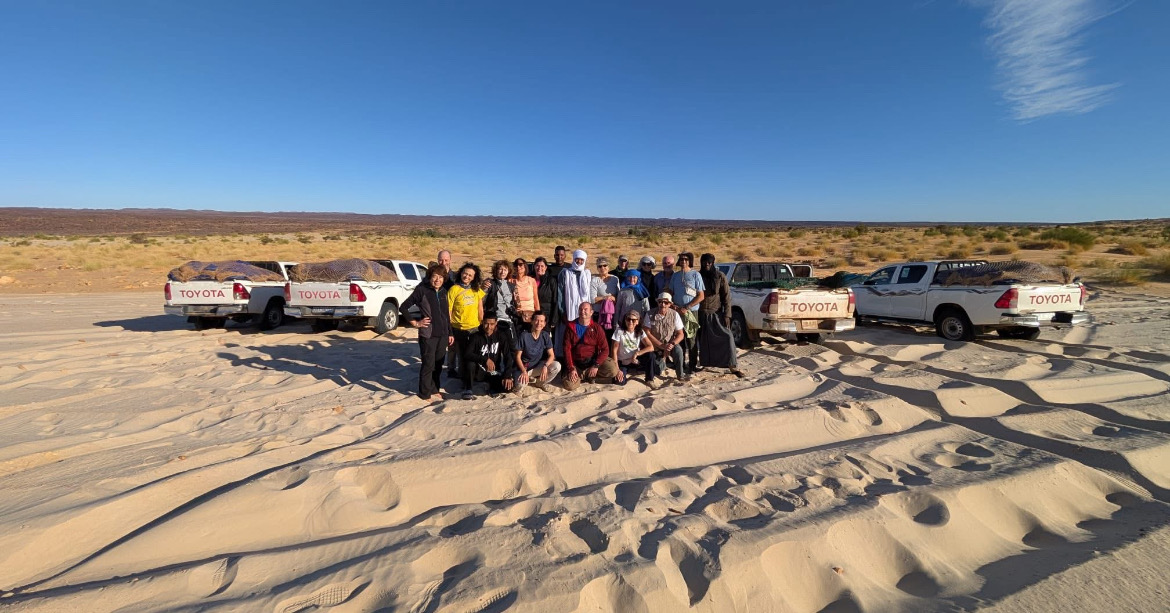
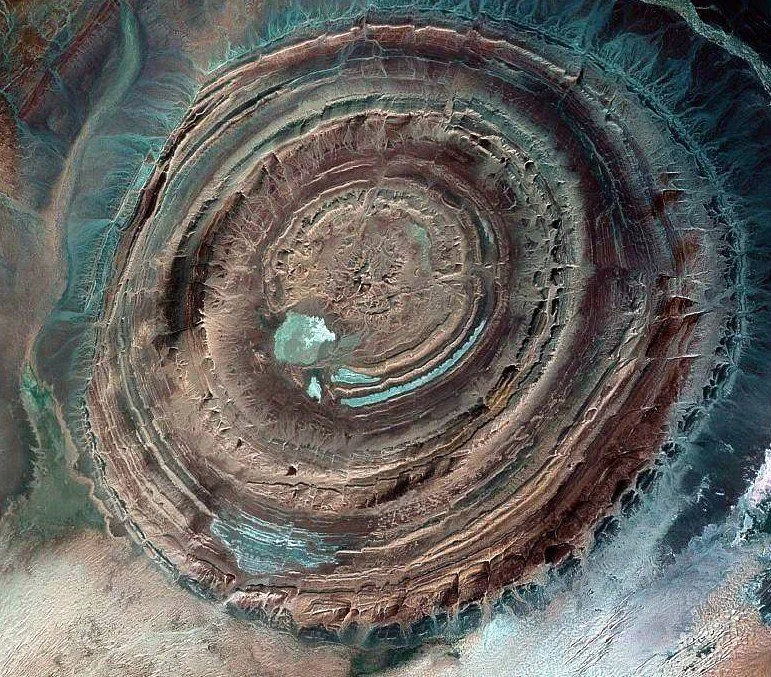
Every great Adrar adventure begins in Atar. The regional capital of the Adrar sits at the edge of the Sahara, connected to the outside world by its small but reliable airport and a long desert road from Nouakchott, and connected to the deep desert by the pistes that radiate east, north, and south from the town. Chinguetti is 80 kilometres to the east. Terjit Oasis is 45 kilometres to the south. Ouadane and the Richat Structure are 95–130 kilometres to the northeast. Without Atar, none of these destinations are practically accessible.
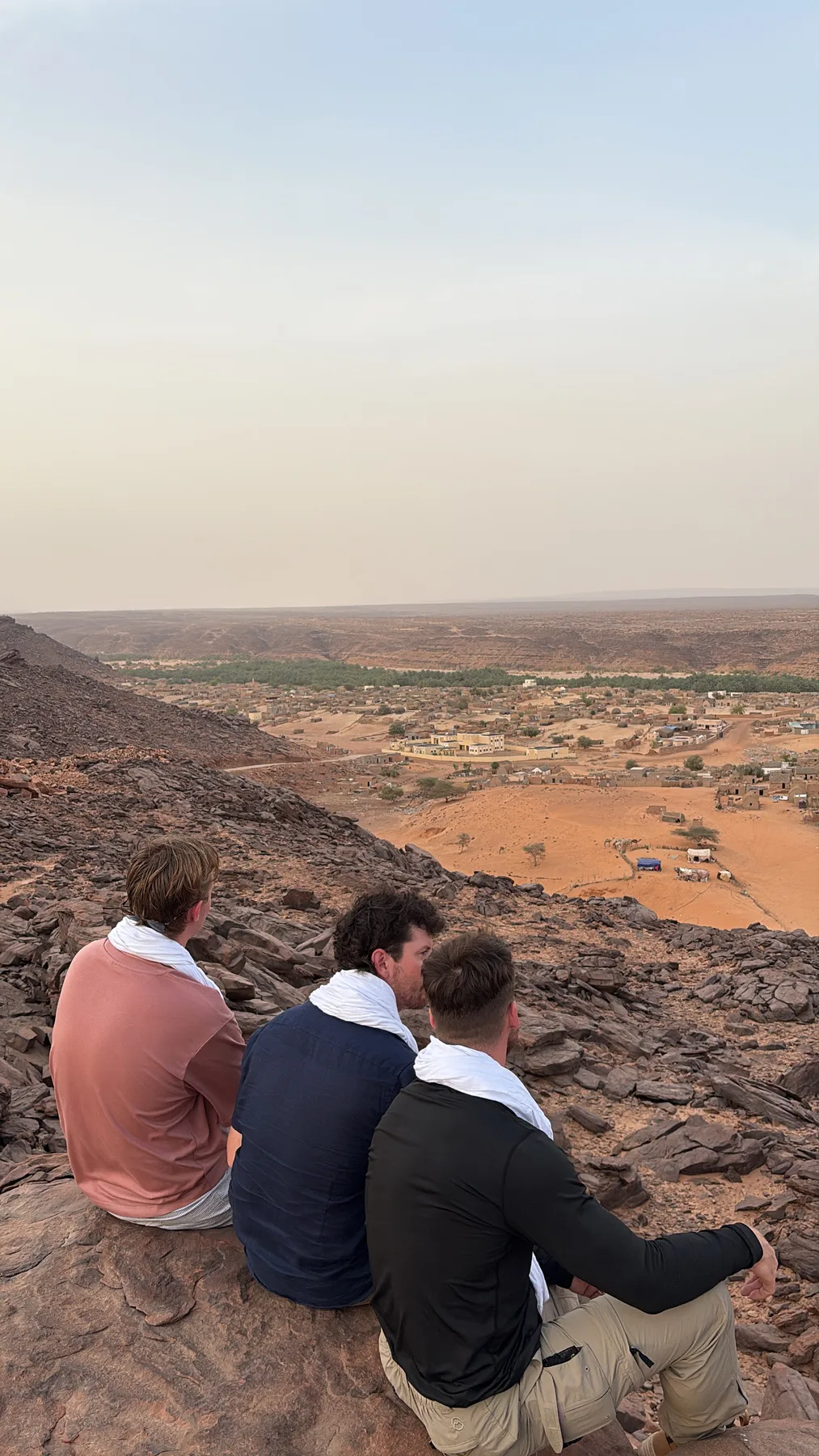
Atar itself is a pleasant, relaxed desert town of around 25,000 people — large enough to have a functioning market, decent accommodation, fuel, and the basics of modern infrastructure, but small enough to navigate on foot and slow enough to feel like genuine Mauritania rather than a transiting city. The town has a traditional Moorish character: low earthen buildings, covered market alleyways, the smell of mint tea, and the gentle unhurried pace of Saharan life.
For travellers, Atar serves as an orientation point and a place to decompress. A day or two here before heading into the desert gives you time to adjust to the heat, exchange money, meet your guide and driver, buy supplies, and get a feel for Mauritanian daily life before the more demanding parts of your journey begin.
Continue planning: Complete Atar travel guide
Capital of the Ancient Adrar
The Adrar plateau has been inhabited for millennia — evidence of Neolithic and Stone Age cultures has been found across the region, including the remarkable rock art that records animals now long absent from this desert. Atar itself grew as a centre of trade and governance during the era when Chinguetti and Ouadane were at their heights, serving as a more accessible stopping point on the route from the coast to the ancient caravan cities.
Under French colonial administration, Atar became the administrative centre of the Adrar cercle, and the French constructed the first reliable road connections to the city — today's Route de l'Espoir ancestor. The airport, constructed in the colonial period and since upgraded, remains one of the few that makes the Adrar region practical for visitors on limited time.
The old quarter of Atar contains some fine examples of traditional Moorish architecture — thick earthen walls, narrow covered streets, and small mosques that blend seamlessly into their desert surroundings. The weekly market draws traders and nomads from across the region and is one of the most authentic market experiences available to visitors in Mauritania.
Highlights of Atar
- The traditional covered market — fresh dates, woven crafts, spices, and live camel trading
- The old Moorish quarter with its labyrinthine earthen alleyways and traditional architecture
- The view from the ridge above town toward the surrounding desert plateau
- Excellent local restaurants serving Mauritanian cuisine — rice and fish, thieboudienne, barbecued meat
- The logistics hub it provides: fuel, money exchange, supplies, and guide connections
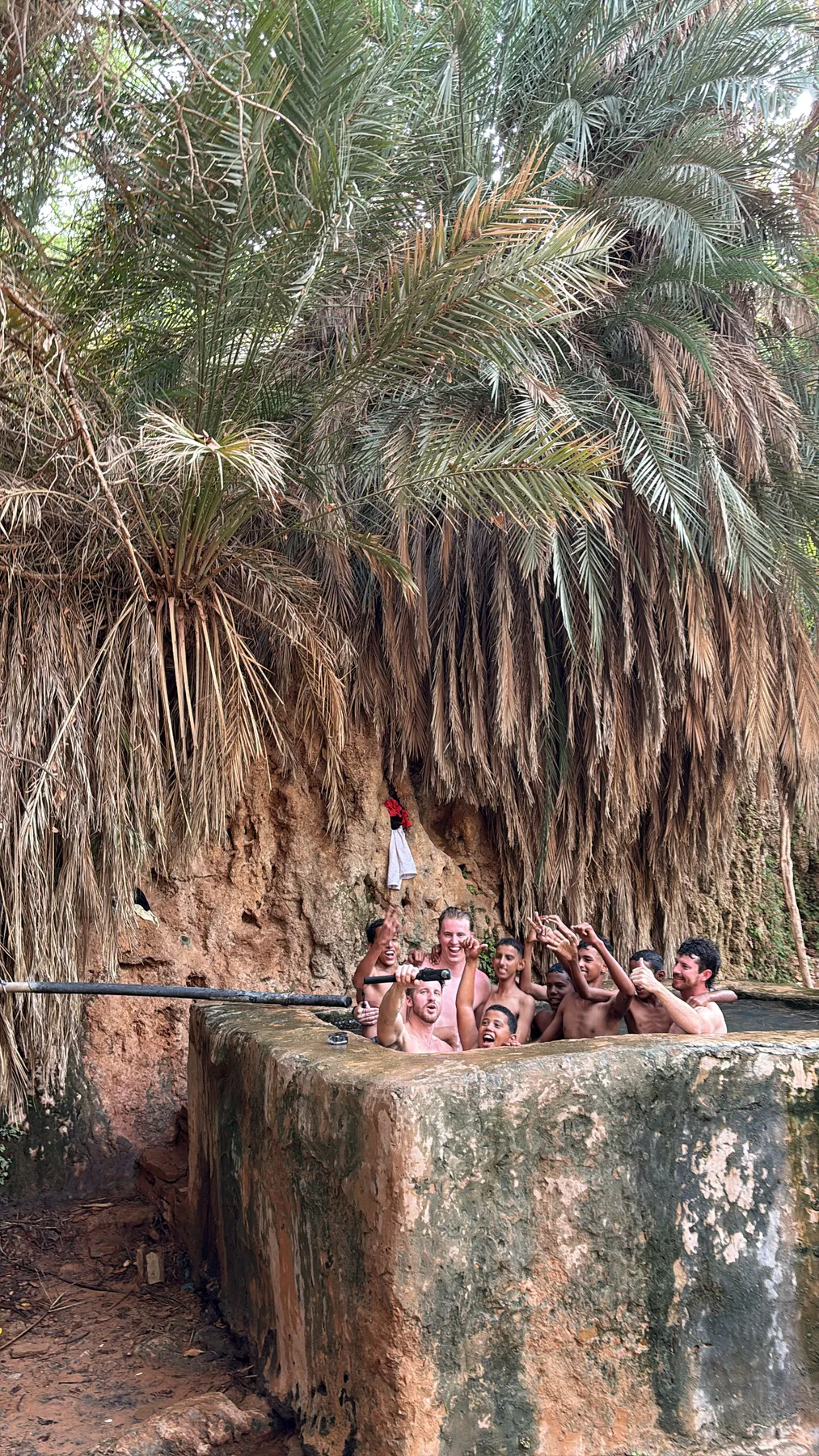
- Day trip to Terjit Oasis (45km) — the most accessible natural wonder in the Adrar
- The atmosphere of a real Mauritanian desert town, unhurried and genuine
Best Time to Visit Atar
October through March is the standard window, and November through February is optimal. During this period, Atar's daytime temperatures range from 25°C to 35°C — warm but manageable, with low humidity and excellent visibility. Nights cool sharply, dropping to 10–15°C in December and January, making a warm layer essential.
April and September are transition months — warmer and occasionally windy, but still usable for shorter visits. May through August is extremely hot, with temperatures regularly reaching 42–46°C in the shade. The harmattan winds carry fine sand throughout this period, reducing visibility and making outdoor activity unpleasant.
Atar is also the base for all the surrounding destinations — Chinguetti, Terjit, Ouadane, and the Richat Structure all have the same seasonal constraints. If you are planning a full Adrar tour, your entire window is determined by the October–March period.
Getting to Atar
Atar has its own airport (ATR) with regular connections to Nouakchott, the capital, on Mauritanian airlines. Flight time is approximately one hour. Flights are not always daily, so schedule your travel around the available departures — book in advance as the plane is small.
By road from Nouakchott, the journey is approximately 9–10 hours on a route that is partly paved and partly desert piste, passing through Akjoujt. It is a long and tiring journey but manageable in a capable vehicle. Some travellers choose to fly in and road-trip out (or vice versa) to maximise the experience.
From Choum (the Iron Ore Train boarding point), Atar is roughly 4–5 hours by 4x4 across open desert. This route is often done as part of the classic Mauritanian circuit: Nouakchott → Atar → Chinguetti → Choum → Iron Ore Train → Nouadhibou.
See also: Iron Ore Train complete guide →
What to Expect in Atar
A functional, friendly desert town that makes no pretensions to tourist sophistication. The hotels range from simple local guesthouses to a handful of more comfortable establishments with air conditioning and proper bathrooms. Food is straightforward — Mauritanian staples including thieboudienne (fish and rice), grilled meat, fresh dates, and mint tea. French is spoken in most establishments; Arabic (Hassaniya) is the local language.
Atar has a bank and ATM — withdraw enough cash for your entire Adrar journey here, as there are no banking facilities in Chinguetti, Ouadane, Terjit, or the open desert. Fuel (diesel and petrol) is available but occasionally scarce — fill completely before any desert excursion.
Your guide and driver will typically be based in Atar or meet you here. This is the moment to discuss your itinerary in detail, check equipment, and plan logistics. A good local guide is your most valuable resource in the Adrar — more important than any app, any map, or any satellite phone.
Travel Tips for Atar
- 1.Withdraw all the cash you need in Atar — no ATMs exist in surrounding desert destinations
- 2.Fill your 4x4 completely with fuel before any excursion — desert pistes are long and fuel is scarce
- 3.Visit the morning market before departure — it's lively and a genuine window into Mauritanian daily life
- 4.Buy fresh dates in Atar — the Adrar produces excellent varieties and they are essential travel snacks
- 5.Confirm your guide's mobile number — connectivity exists in Atar but drops in the desert
- 6.Buy a local SIM card in Atar if you don't already have one — useful for emergency connectivity
- 7.Allow an extra day's buffer in your schedule — desert transport runs on desert time
With Mauritania Experience
How We Use Atar
Atar is the operational base for all of our Adrar desert tours. We arrange your airport or road transfer into Atar, brief you on the upcoming itinerary, introduce you to your guide and driver, and manage the logistics of the days ahead from here.
For travellers flying in from Nouakchott, we recommend arriving in the afternoon, spending the first evening in Atar to orientate, visiting the morning market, and departing for Terjit or Chinguetti on day two. This rhythm gives you time to adjust before the harder parts of the journey begin.
If you are doing the full Iron Ore Train circuit, Atar is where your expedition into the deep desert begins — from here, everything gets quieter, more remote, and more extraordinary. It is the last point of comfortable infrastructure before the real Sahara starts.
Explore More
Related Destinations
Also Consider
The Iron Ore Train Experience
Combine Atar with the legendary Iron Ore Train — 700 km across the Sahara from Choum to Nouadhibou. Many travellers include both on the classic Mauritanian circuit.
Iron Ore Train Guide