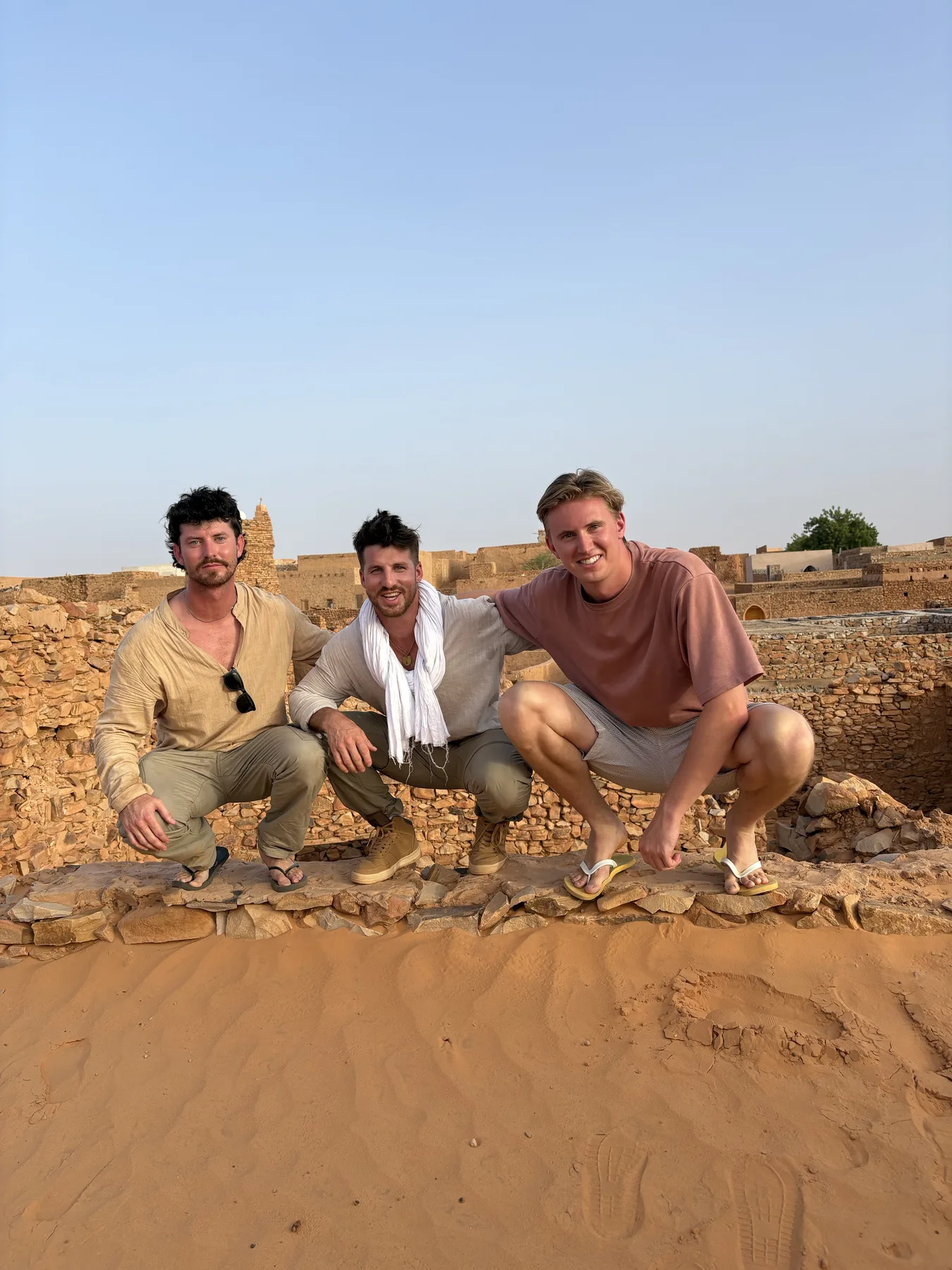
Chinguetti
Ancient caravan city and seventh holy city of Islam
Overview
Chinguetti is one of the most remarkable cities in the Islamic world — a medieval caravan capital that once served as the final gathering point for West African pilgrims making the Hajj to Mecca, and is traditionally revered as the seventh holiest city in Islam. Today it sits half-swallowed by the advancing Sahara, its ancient stone quarters slowly filling with sand, its population a fraction of what it once was. That fragility is part of what makes it so extraordinary.
Located 80 kilometres east of Atar in the heart of the Adrar region, Chinguetti is a place where you walk through living history. Ancient mud-brick mosques, thousand-year-old manuscript libraries, and crumbling fortified houses stand alongside a still-inhabited modern town. The famous minaret of the old mosque — a five-sided tower topped with ostrich eggs — is one of the most photographed images in the Saharan world.
Chinguetti is not a polished heritage site. There are no ticket booths, no guided audio tours, no gift shops selling postcards. What you get instead is direct access to one of the most historically significant places on the African continent, experienced through the people who still live there and the local guides who grew up walking its alleyways.
Continue planning: Photography in Mauritania
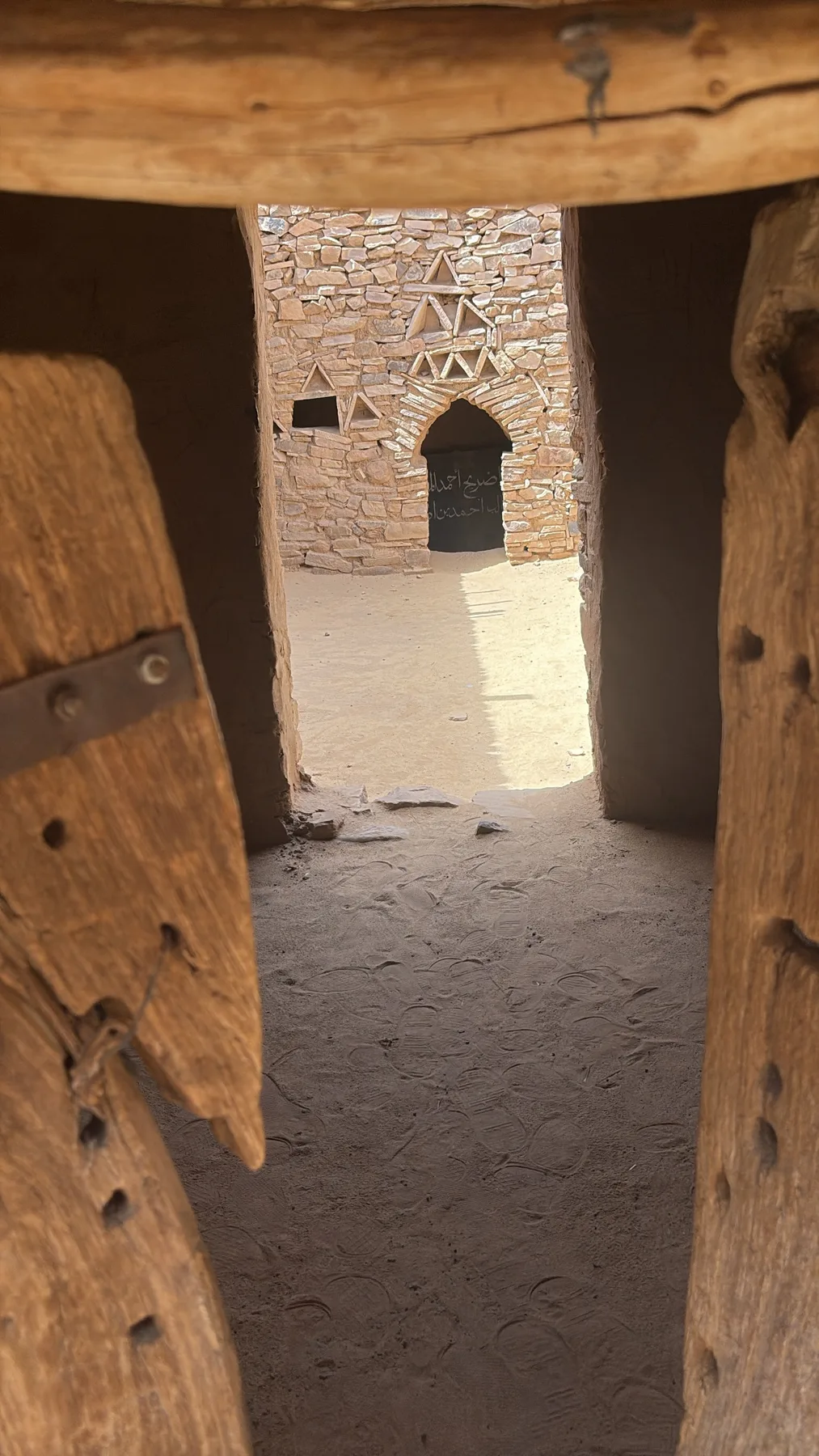
A City Built by Caravans
Chinguetti was founded in the 13th century — estimates range from 1264 to 1300 CE — at the junction of major trans-Saharan trade routes linking West Africa to the Maghreb and the Middle East. It grew quickly into a major commercial and religious hub, a staging post where caravans loaded with gold, salt, ivory, and enslaved people rested before the long crossing northward.
At its height, Chinguetti may have sheltered tens of thousands of pilgrims each year during the Hajj season. Scholars and theologians settled here, and wealthy families began accumulating private manuscript libraries of Islamic texts — works on astronomy, medicine, mathematics, Quranic scholarship, and history. An estimated 1,300 manuscripts survive across a handful of family libraries still open to visitors today, though many thousands more have been lost to sand, humidity, and dispersal.
The city was inscribed as a UNESCO World Heritage Site in 1996, grouped with three other ancient Mauritanian ksour — Ouadane, Tichitt, and Oualata — under the designation 'Ancient Ksour of Ouadane, Chinguetti, Tichitt and Oualata'. Today it is recognised as one of the most endangered heritage sites in the world, threatened primarily by desertification and the relentless advance of the surrounding dunes.
Highlights of Chinguetti
- The 13th-century mosque and its distinctive five-sided minaret — one of the oldest surviving mosques in West Africa
- Private manuscript libraries preserving 700-year-old Islamic texts on astronomy, law, and medicine
- The old quarter (ksar), where ancient stone houses and alleyways are slowly being reclaimed by sand
- Walking to the summit of the surrounding dunes for panoramic views over the city and desert
- Camel rides into the dunes at sunrise or sunset — the light here is extraordinary
- Conversations with local families who have been guardians of manuscripts for generations
- Overnight desert camps at the edge of town under an unobstructed Saharan sky
Best Time to Visit Chinguetti
October through March is the only reasonable window for most travellers. November to February is the sweet spot: daytime temperatures sit between 22°C and 32°C, nights are cool and sometimes cold (drop to 8–12°C in December and January, so pack warm layers), and the desert light is golden and photogenic.
March and early April are still manageable but temperatures begin rising fast. By May the heat is serious. July and August are brutal — highs regularly exceed 45°C, sandstorms are frequent, and the experience becomes an ordeal rather than a pleasure. There is no air conditioning in traditional accommodation.
The months of October–November offer the best balance: warmth without extremes, reliable skies, and the advantage of arriving before the main European winter tourism season peaks in December and January.
How to Get to Chinguetti
The standard route is to fly into Atar (ATR) from Nouakchott, then travel the 80 kilometres to Chinguetti by 4x4. The first 40 kilometres follow a paved road east from Atar; the second half is a desert piste through rocky plateau and open sand. In a well-equipped 4x4 the journey takes two to three hours depending on conditions.
There are no buses, no shared taxis, and no rental cars with drivers available in Chinguetti — you must arrange your own 4x4 and driver. The route is straightforward with local knowledge but the desert piste is impassable for standard vehicles and can shift after sandstorms. Without a local driver who knows the terrain, GPS alone is insufficient.
Alternatively, you can reach Atar by road from Nouakchott (roughly 9–10 hours on a partially paved road) or as part of a longer overland loop from Choum after the Iron Ore Train. We can arrange all transport logistics from whichever starting point suits your itinerary.
What to Expect in Chinguetti
Chinguetti is a real working town, not a heritage museum. The population is around 5,000–6,000 people, many of whom are descendants of the families that have lived here for centuries. You will be welcomed, but you will also be in somebody's home city — basic courtesies (dressing conservatively, asking permission before photographing people, respecting prayer times) matter here.
Accommodation is limited to a small number of guesthouses (auberges) and desert camps. Electricity comes from solar panels and is not always reliable. Water is scarce. There is no ATM — bring all cash you need from Atar or Nouakchott. Mobile connectivity exists but is patchy.
A qualified local guide is essential not because Chinguetti is difficult to navigate, but because the manuscript libraries, family homes, and historical sites are only accessible through local relationships. The best moments here come through human connection, not solo wandering.
Travel Tips for Chinguetti
- 1.Carry all cash before you arrive — there is no ATM in Chinguetti
- 2.Dress conservatively (covered shoulders, knees) as a sign of respect in this holy city
- 3.Hire a qualified local guide to access manuscript libraries and historical houses
- 4.Bring a warm layer — desert nights in November–February can drop to 8°C
- 5.Protect camera equipment from fine sand dust, which gets everywhere
- 6.Allow at least two nights — one night is too rushed to appreciate the pace of the place
- 7.Ask your guide to take you to the summit dunes at dawn for the best light
With Mauritania Experience
How We Visit Chinguetti
Chinguetti is a cornerstone of our Adrar desert tours. We typically include it as a two-night stop within a broader itinerary that combines Atar, Terjit Oasis, and the Richat Structure — or as part of the full Iron Ore Train circuit: Nouakchott → Atar → Chinguetti → Ouadane → Choum → Iron Ore Train → Nouadhibou.
We work with trusted local guides in Chinguetti who have access to the manuscript libraries and the best local knowledge of the area. Our transport is always proper desert 4x4, and we arrange accommodation in characterful local guesthouses or overnight desert camps at the dune edge.
If you want to visit Chinguetti alone, we can arrange just the Atar–Chinguetti transport and guide. If you want a full Mauritanian expedition, Chinguetti is the natural heart of it.
Explore More
Related Destinations
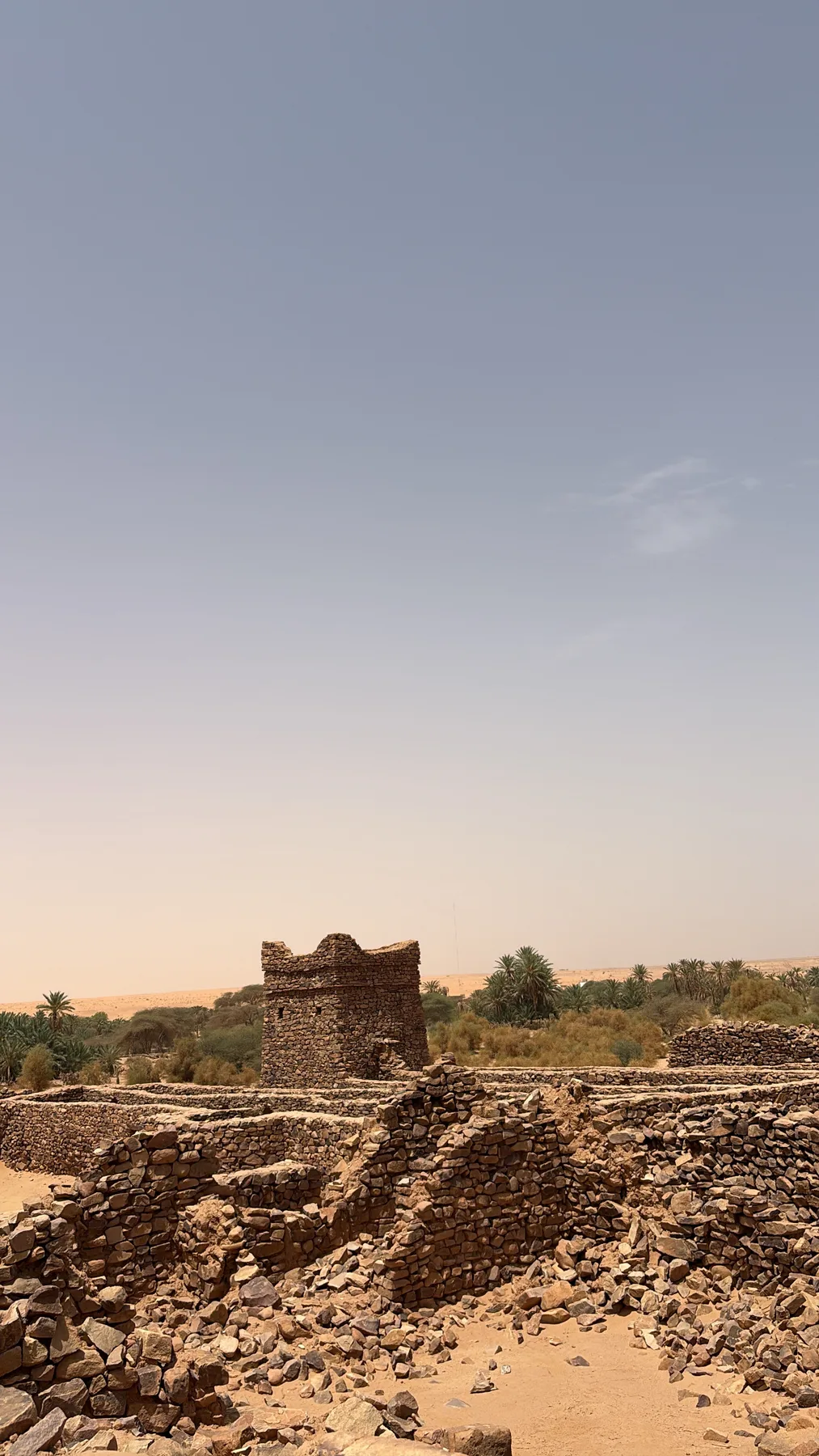
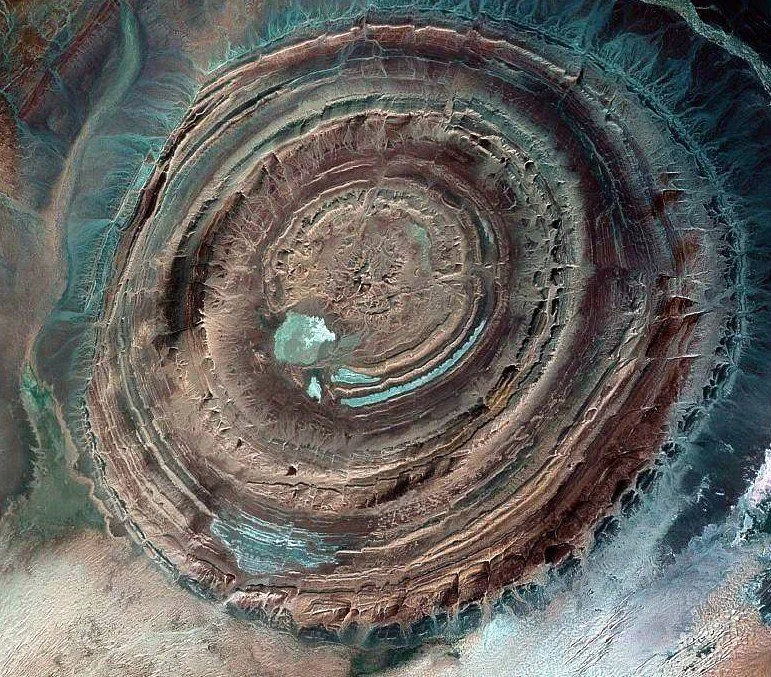
Also Consider
The Iron Ore Train Experience
Combine Chinguetti with the legendary Iron Ore Train — 700 km across the Sahara from Choum to Nouadhibou. Many travellers include both on the classic Mauritanian circuit.
Iron Ore Train Guide