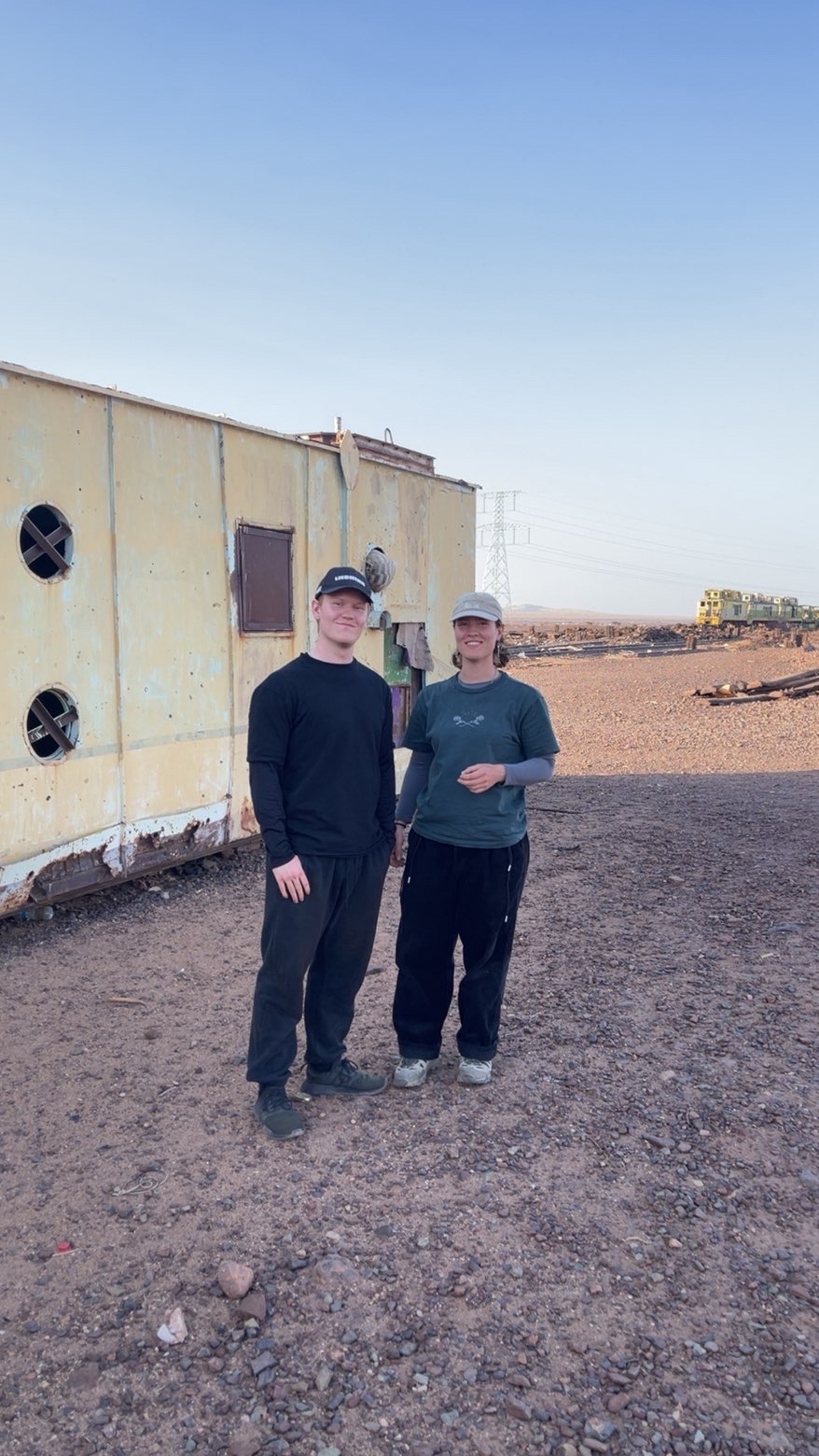
 Iron Ore TrainNew Guide
Guide·15 min read
How to Ride the Iron Ore Train in Mauritania
A complete practical guide to boarding, timing, packing, and surviving one of the world's most extreme train journeys.
Read the full guide →Travel Resources
Practical guides for travelers planning the Iron Ore Train, Adrar desert, Chinguetti, Ouadane, and custom Mauritania tours.
Iron Ore TrainNew GuideA complete practical guide to boarding, timing, packing, and surviving one of the world's most extreme train journeys.
Read the full guide →Iron Ore TrainNew GuideThe Iron Ore Train is unforgiving to the unprepared. This complete packing list covers everything from dust protection and sleeping gear to food, water, and electronics — so you can focus on the experience instead of surviving it.
Read the full guide →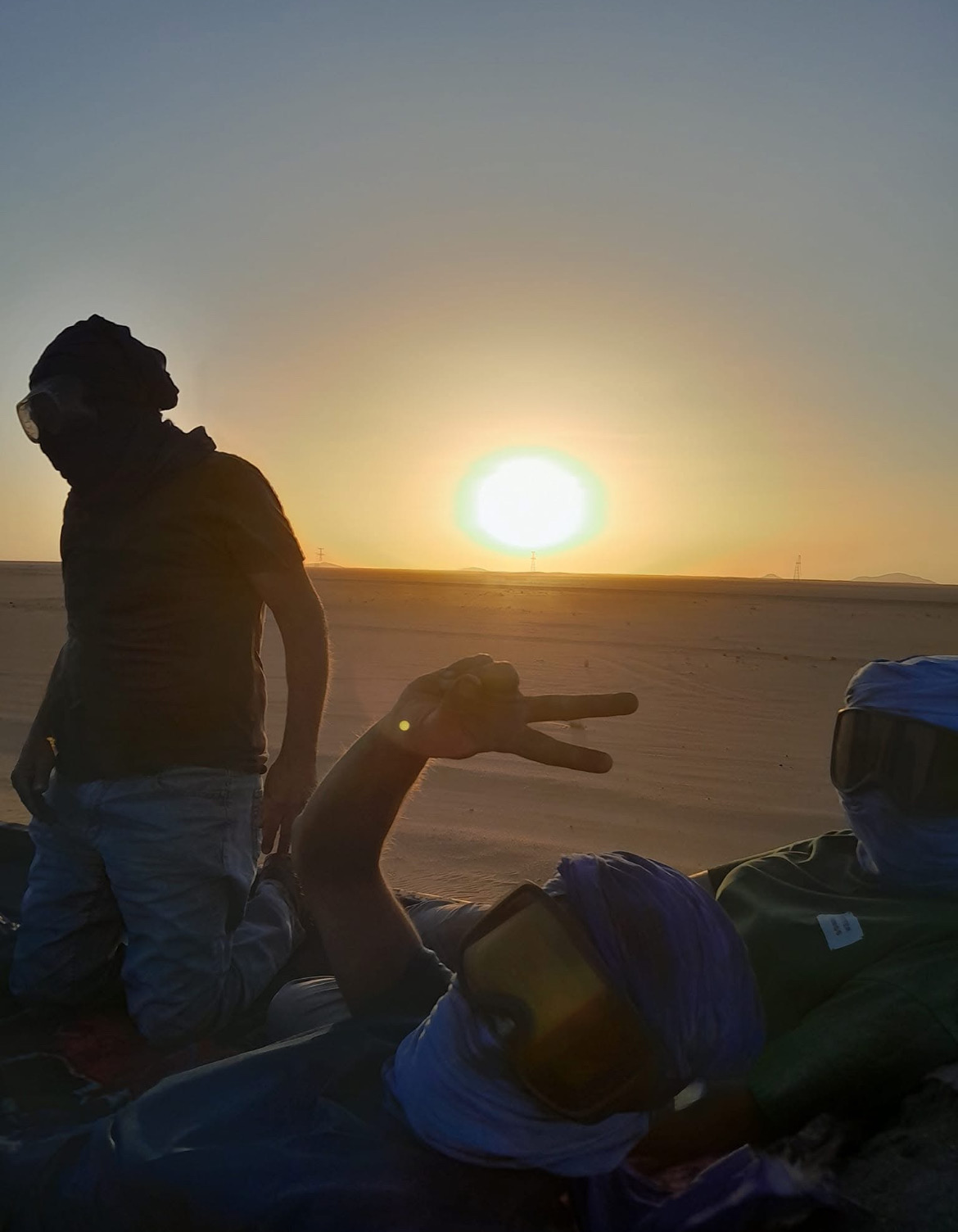 Iron Ore TrainNew Guide
The Iron Ore Train can be done independently — but the gap between what it takes to do it solo and what a local guide provides is larger than most travelers expect. Here's the honest comparison.
Read the full guide →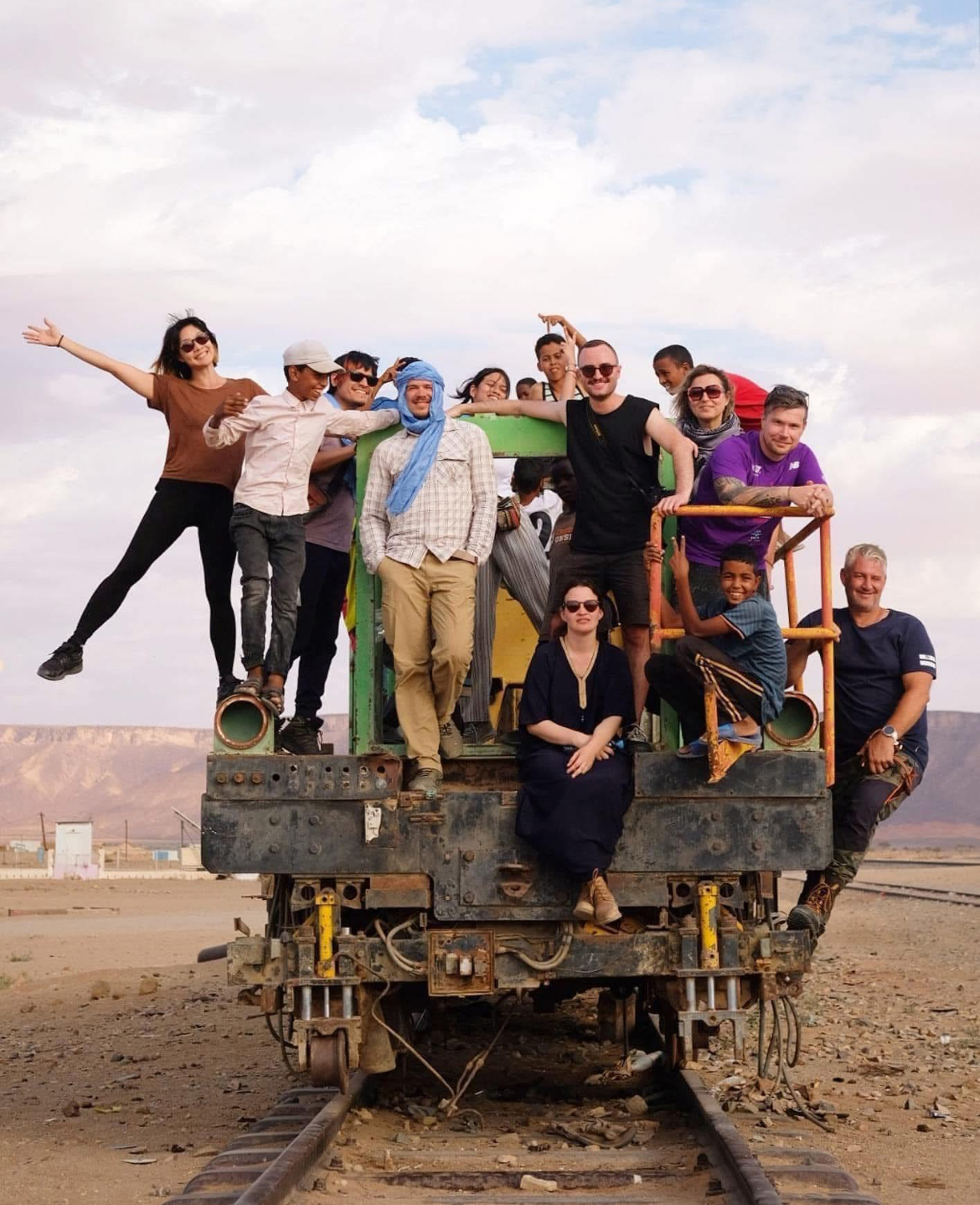 Iron Ore TrainNew Guide
SNIM's Iron Ore Train offers two radically different experiences: the open wagons (free, dusty, raw, extraordinary) and the enclosed passenger carriage (small cost, less dust, wooden benches). Here's how to choose.
Read the full guide →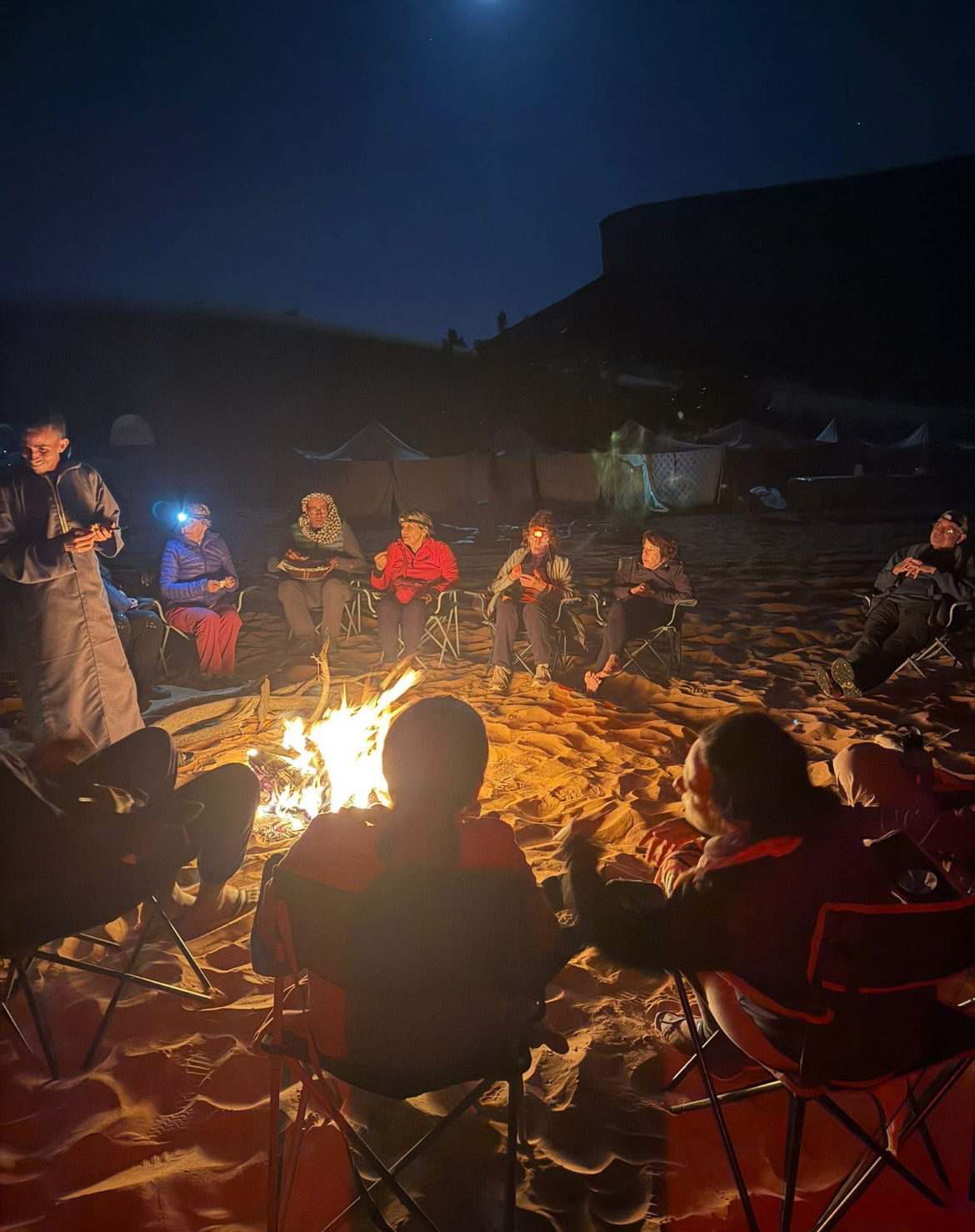 Iron Ore TrainNew Guide
The night portion of the Iron Ore Train crossing is the part that travelers talk about longest. The temperature drops, the dust settles slightly, and the Saharan sky opens up above you in a way that changes your relationship with darkness permanently.
Read the full guide →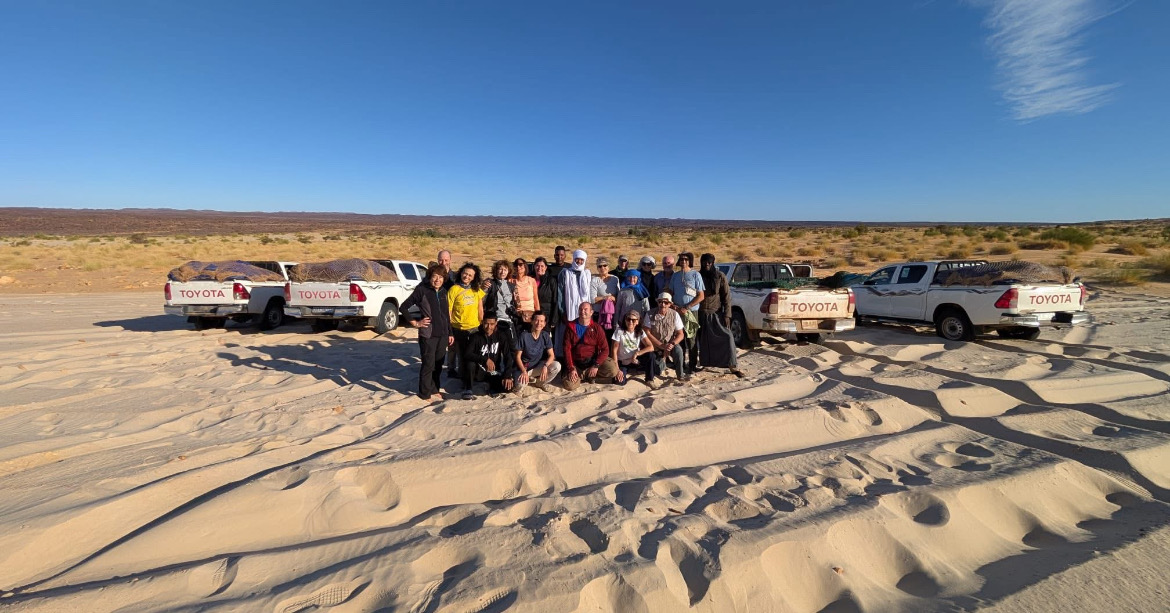 Iron Ore TrainNew Guide
The Iron Ore Train has real risks: boarding, dust, cold and delays. Preparation and local guidance can reduce risk, not remove it. Here is what to consider before choosing the open-wagon experience.
Read the full guide →SafetyNew GuideTravel advisories make Mauritania sound alarming. The reality is more nuanced: the tourist circuit is genuinely safe, the risks are specific and manageable, and the areas flagged in advisories are nowhere near where visitors actually go.
Read the full guide →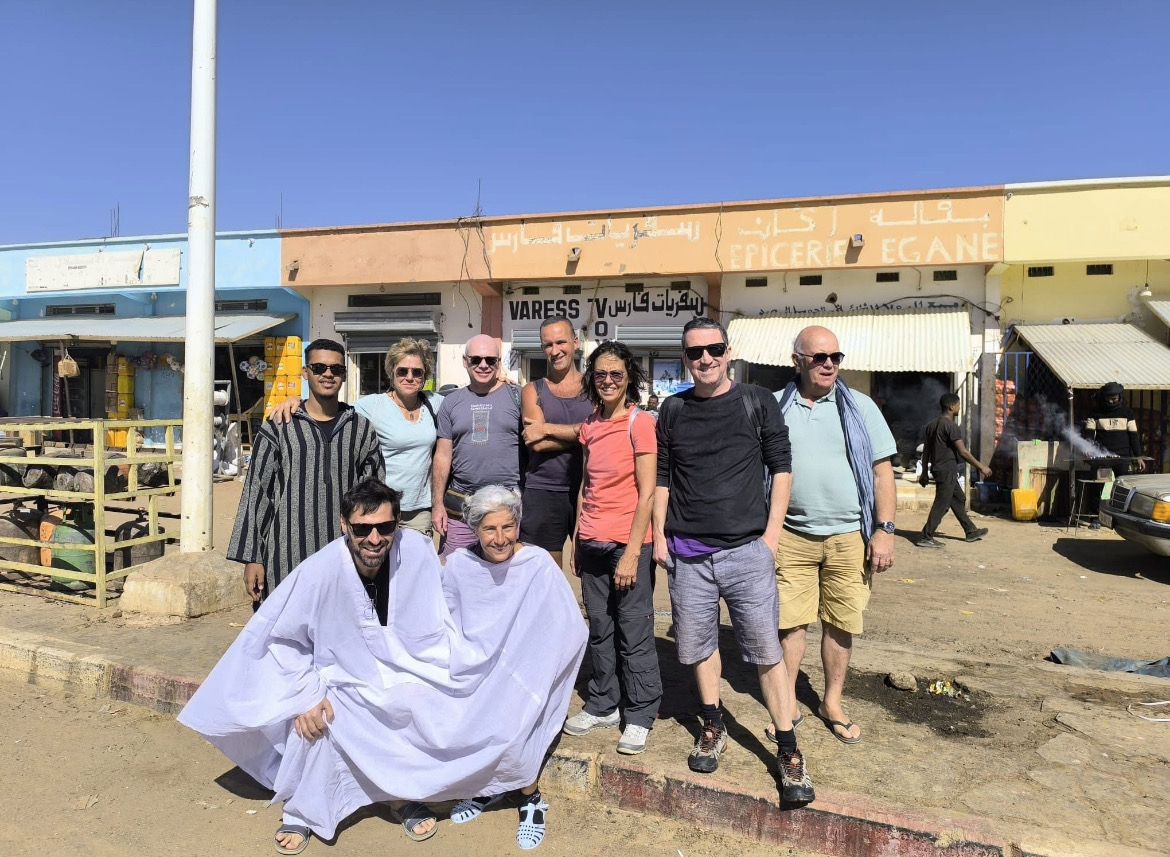 PlanningNew Guide
Most nationalities receive a Mauritanian visa on arrival at Nouakchott airport or the Dakhla land border. Here is the complete, current process — including what to bring, what to pay, and what can go wrong.
Read the full guide →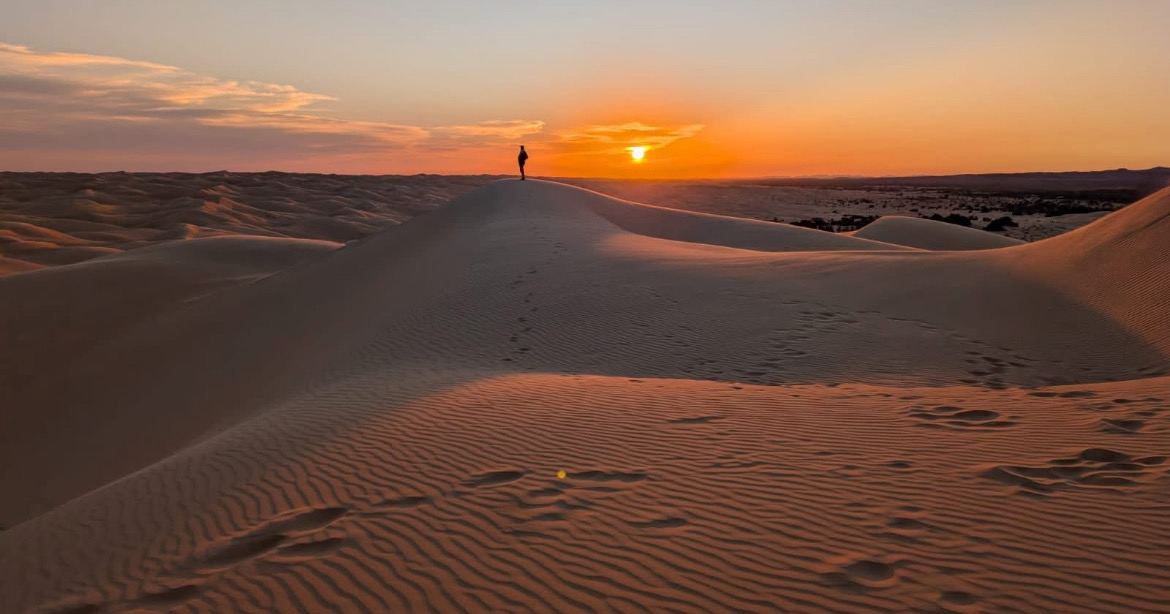 PlanningNew Guide
Mauritania has a narrow travel window: October through March. Outside these months the heat is not merely uncomfortable — it is genuinely dangerous in the desert interior. Here is what each month looks like.
Read the full guide →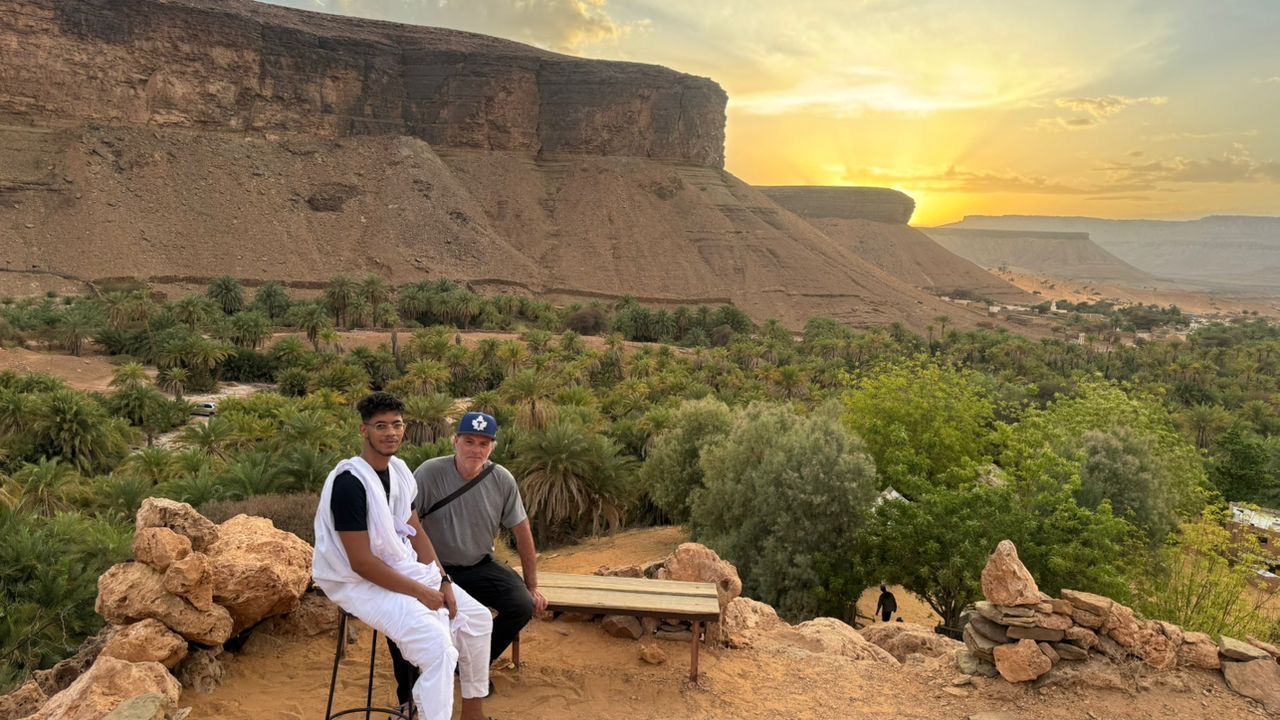 PlanningNew Guide
Mauritania is cheaper than Morocco or Egypt for day-to-day costs. The large expense is transport — specifically the 4x4 required for the desert. Here's what things actually cost and how to plan a realistic budget.
Read the full guide →LogisticsNew GuideThe Guerguerat crossing between Dakhla and Mauritania is one of the more straightforward African overland border crossings. Here is the complete process — from the drive south of Dakhla to arriving in Nouadhibou.
Read the full guide →ItineraryNew GuideSeven days is the minimum for a genuinely complete Mauritania trip. This itinerary covers the Iron Ore Train, Chinguetti, Terjit Oasis, and the Atlantic coast — day by day, with realistic logistics and contingency advice.
Read the full guide →ItineraryNew GuideTen days transforms the Mauritanian circuit from 'done' to 'experienced'. Ouadane, the Richat Structure, and more time in Chinguetti turn a rushed visit into something that stays with you.
Read the full guide →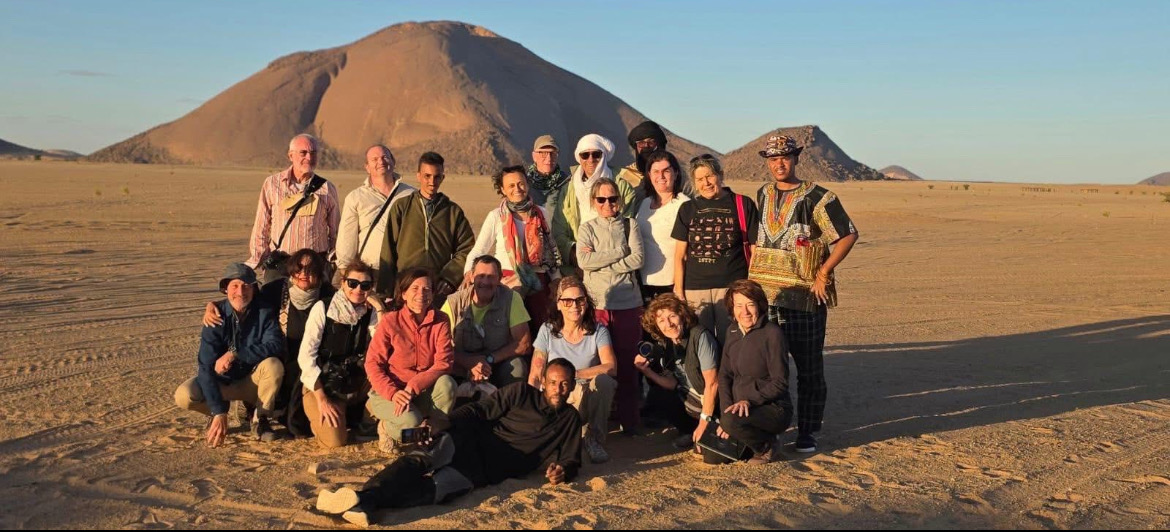 DestinationsNew Guide
The Adrar Plateau Mauritania is the heart of desert travel in the country — a dramatic elevated region containing ancient UNESCO cities, a hidden freshwater oasis, and some of the finest Saharan landscapes on earth. Here's the complete guide.
Read the full guide →LogisticsNew GuideMauritania offers some of the most dramatic overland travel in Africa — genuine empty desert, historical crossroads, and routes unchanged in character for centuries. Here is everything you need to know before you drive in.
Read the full guide →LogisticsNew GuideMauritania has almost no tourist-facing public transport. Understanding this before you arrive changes your planning entirely. Here is every transport option — what it costs, where it goes, and whether it's worth it.
Read the full guide →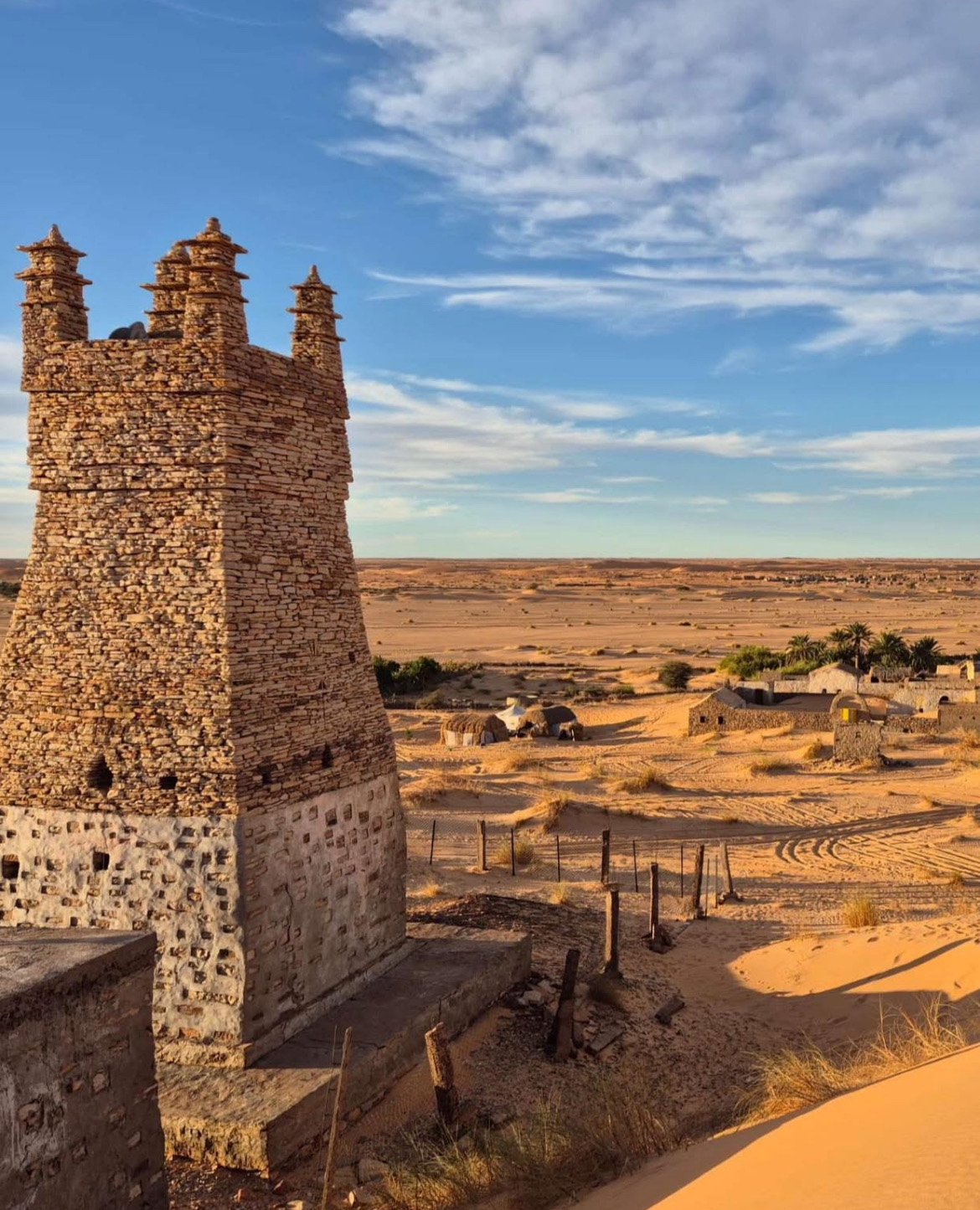 DestinationsNew Guide
Chinguetti is not one afternoon's work. The UNESCO ancient city, the private manuscript libraries, the encroaching dunes, and the pace of the place all require time. Here is the practical guide for getting it right.
Read the full guide →DestinationsNew GuideFrom orbit it looks like a perfect bull's-eye in the Sahara. On the ground, the Richat Structure reveals itself differently — through ancient eroded ridges, vast silence, and a geological scale that makes the human presence feel appropriately small.
Read the full guide →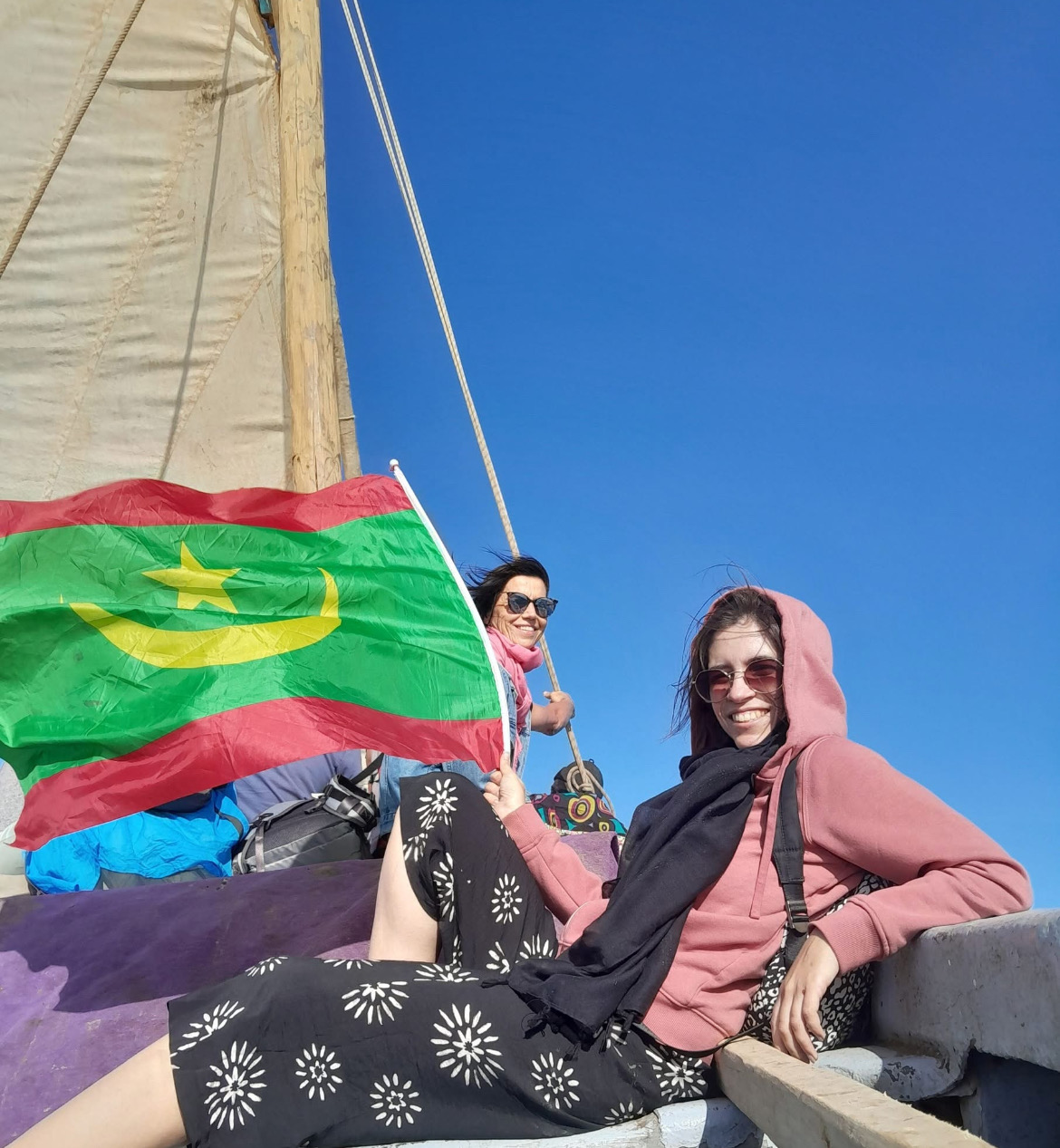 NatureNew Guide
Two million migratory birds. An ancient fishing community that works alongside dolphins. The critically endangered Mediterranean monk seal just offshore. Banc d'Arguin is one of the most remarkable wildlife destinations on Earth — and almost no one knows it.
Read the full guide →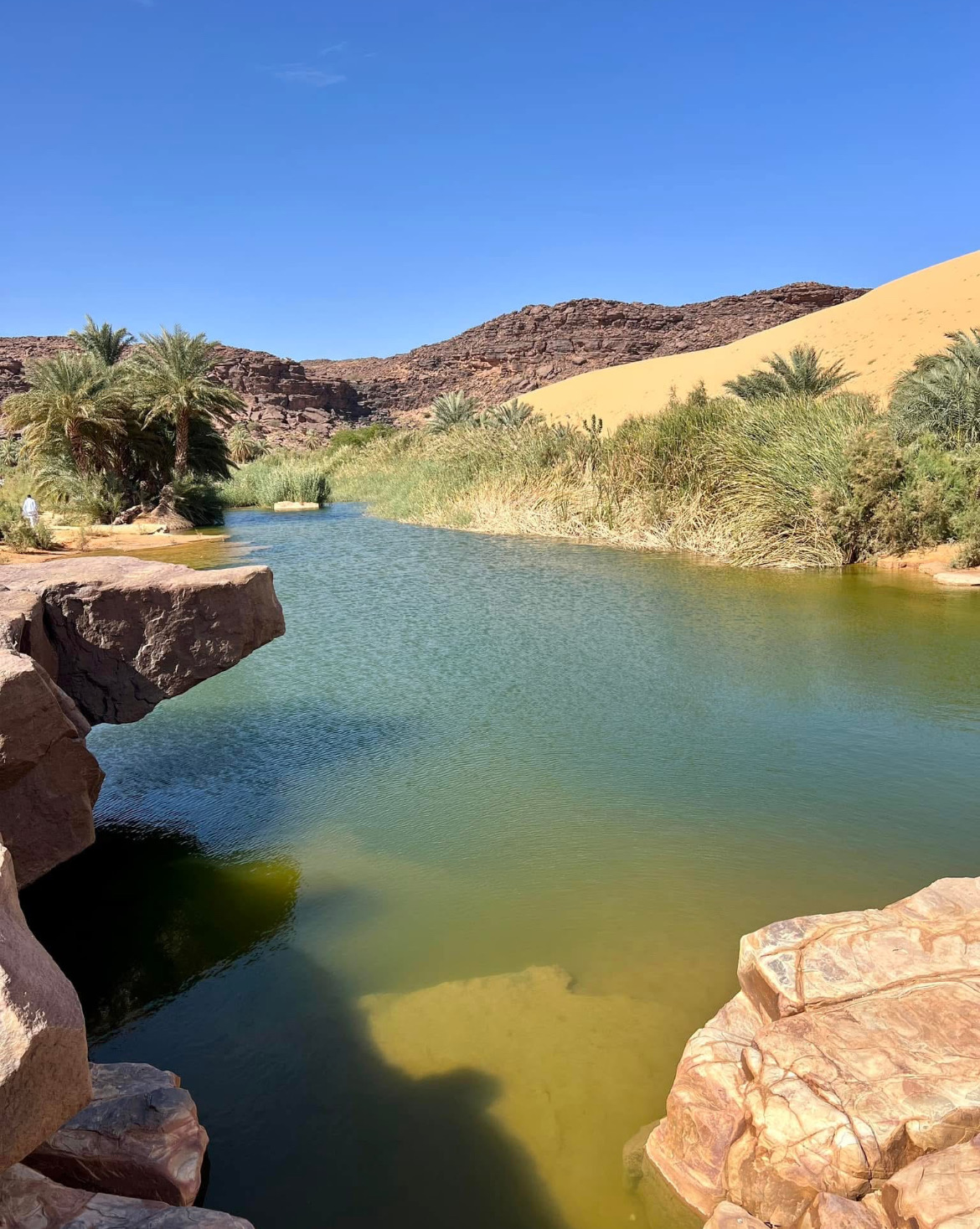 DestinationsNew Guide
Terjit delivers one of the most dramatic moments of contrast in all of Mauritanian travel — the descent into a freshwater canyon gorge after hours of open desert. Here's everything you need to know to experience it properly.
Read the full guide →DestinationsNew GuideOuadane requires more effort than Chinguetti and rewards that effort with something rarer: the experience of a genuinely remote ancient city without other tourists, where the human interactions are natural and the sense of history is undiluted.
Read the full guide →CultureNew GuideMauritanian food is simple, sustaining, and at its best genuinely delicious. The national dish, the tea ceremony, and the dates of the Adrar are travel pleasures in their own right — if you know what to look for.
Read the full guide →CultureNew GuideUnderstanding Mauritanian culture doesn't require deep expertise — it requires specific awareness. The greetings matter, the hospitality is real, the dress code has practical effects, and the tea ceremony is never optional.
Read the full guide →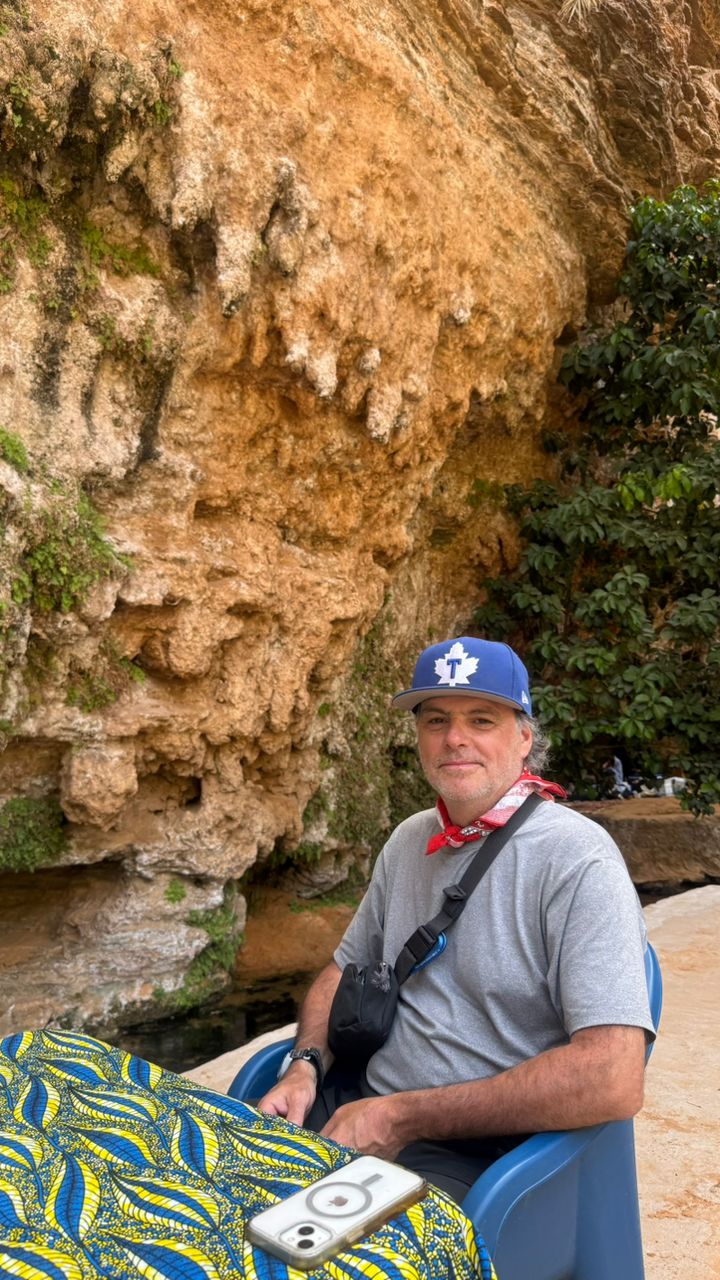 PlanningNew Guide
Mauritanian accommodation ranges from functional international hotels in Nouakchott to palm-frond shelters in a freshwater canyon. The further you go into the desert, the more basic it gets — and the more memorable.
Read the full guide →AdventureNew GuideSleeping in the open Mauritanian Sahara — a campfire, mint tea, the Milky Way overhead, and silence so complete you can hear your own heartbeat — is one of travel's genuinely transformative experiences. Here is how to do it properly.
Read the full guide →PhotographyNew GuideMauritania is one of the great undiscovered photography destinations in Africa. The light quality, the ancient architecture, the Iron Ore Train, and the complete absence of other photographers mean images from here are genuinely rare.
Read the full guide →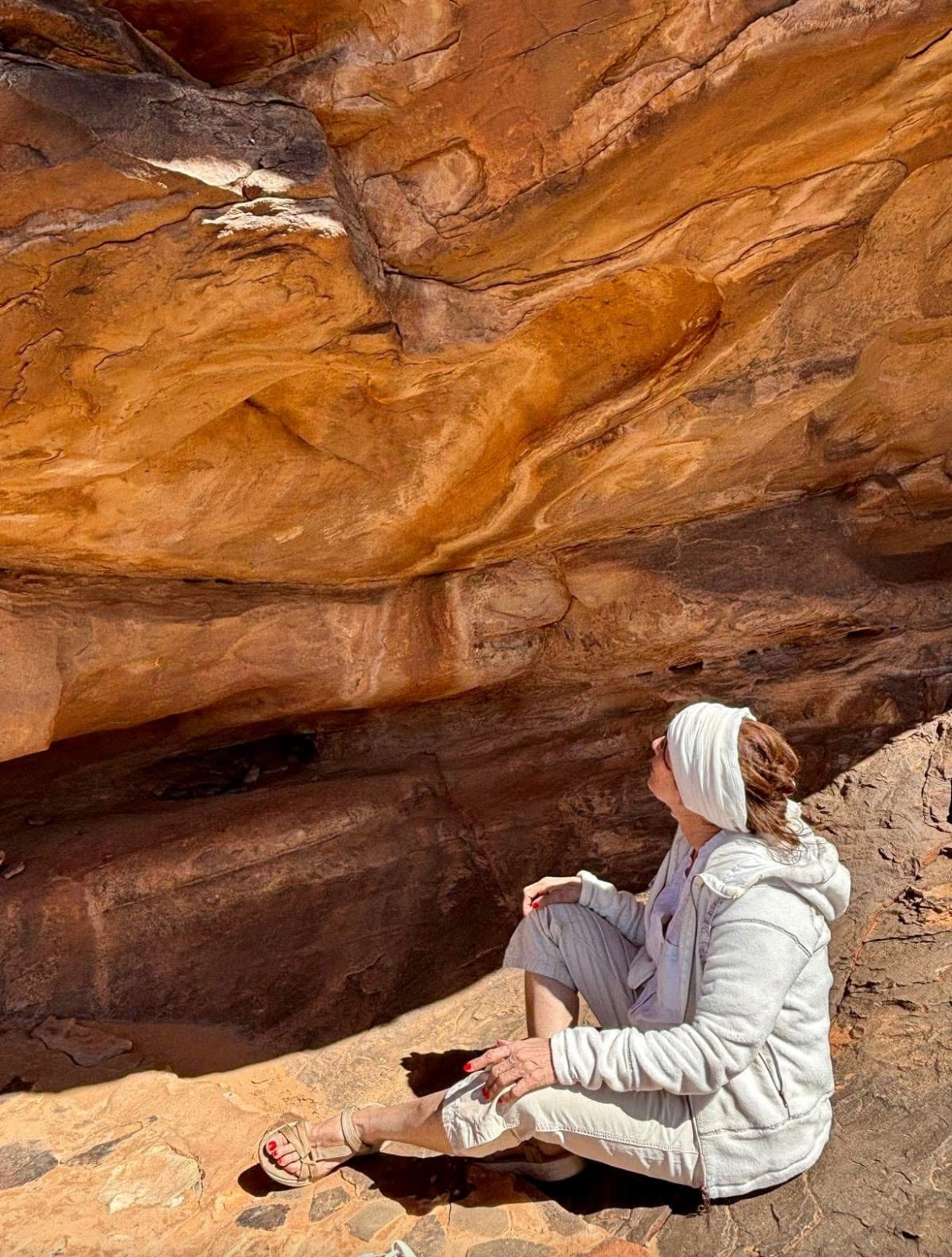 Solo TravelNew Guide
Mauritania is more welcoming to solo female travelers than most assume. Specific cultural awareness makes an enormous difference — and women travelers have access to parts of Mauritanian life that men simply cannot reach.
Read the full guide →NatureNew GuideMauritania appears empty. It is not. The western Saharan desert and Atlantic coast host an array of adapted and migratory wildlife that makes this one of the more rewarding wildlife destinations in Africa — if you know where to look.
Read the full guide →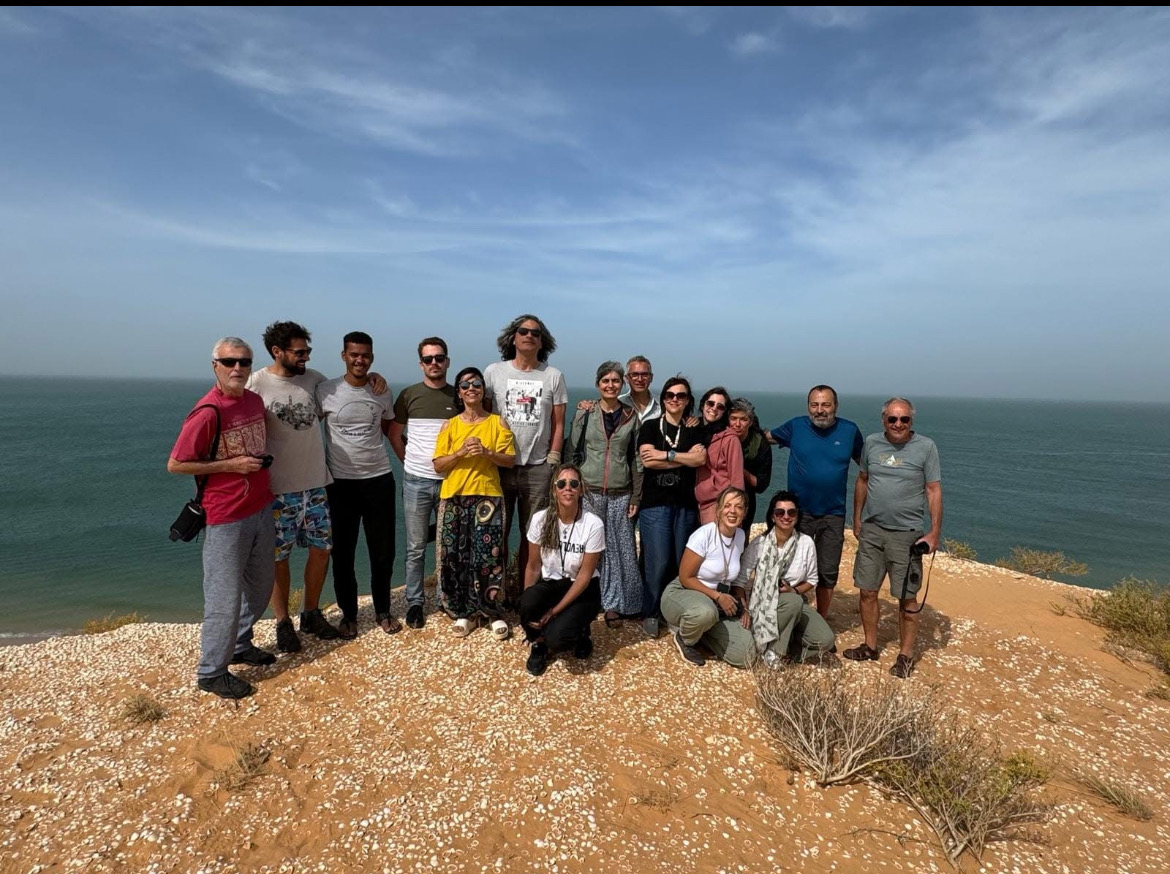 DestinationsNew Guide
Most travelers arrive in Nouadhibou either on the Iron Ore Train at dawn or overland from Dakhla. Either way, the city rewards a slower look — the ship graveyard, the seafood, the wildlife proximity, and the singular geography of a city at the edge of two worlds.
Read the full guide →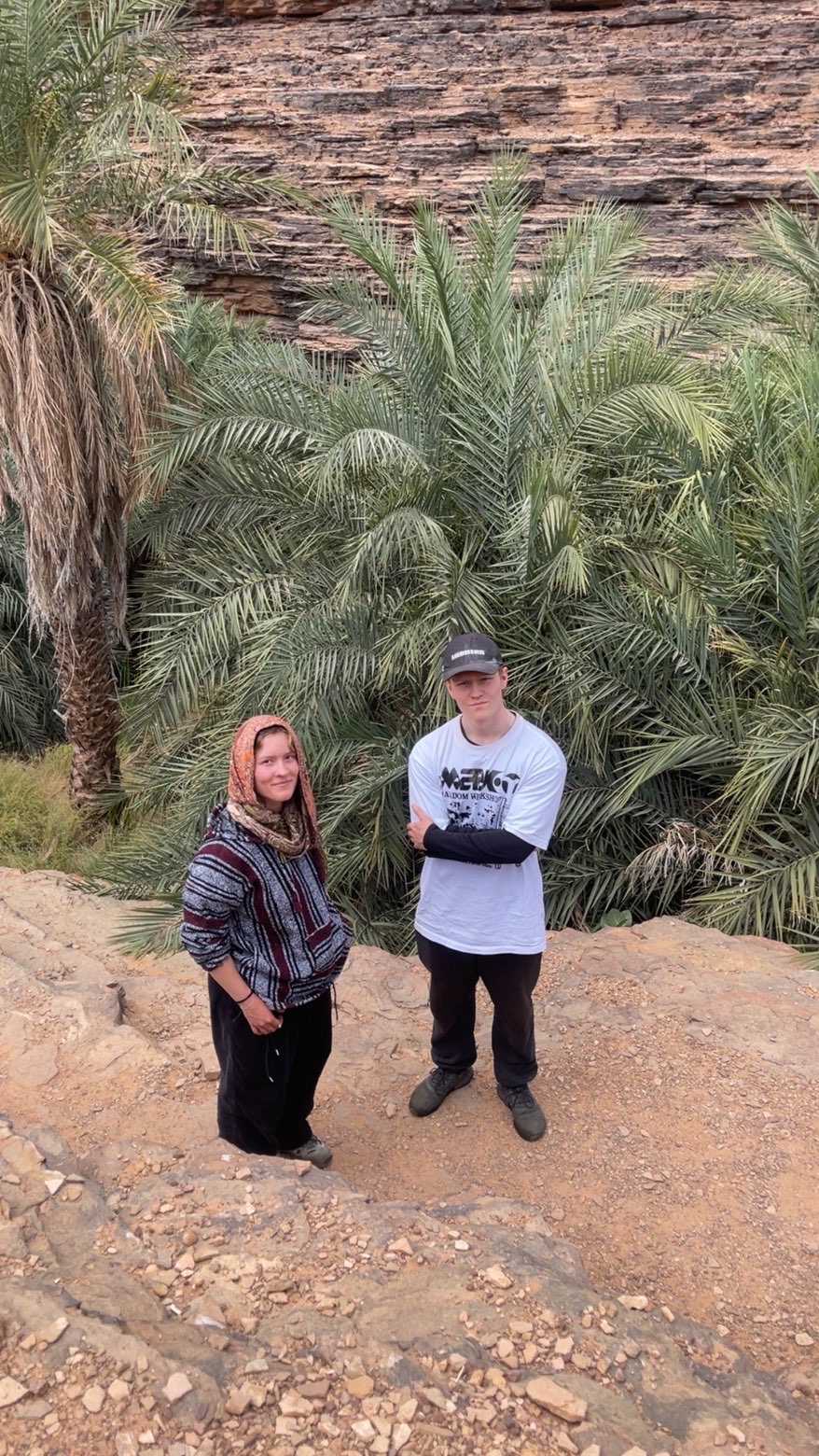 DestinationsNew Guide
Atar is not a destination in itself — it is the key that unlocks every other destination in the Adrar. Understanding Atar's role and spending time here properly sets up everything that follows.
Read the full guide →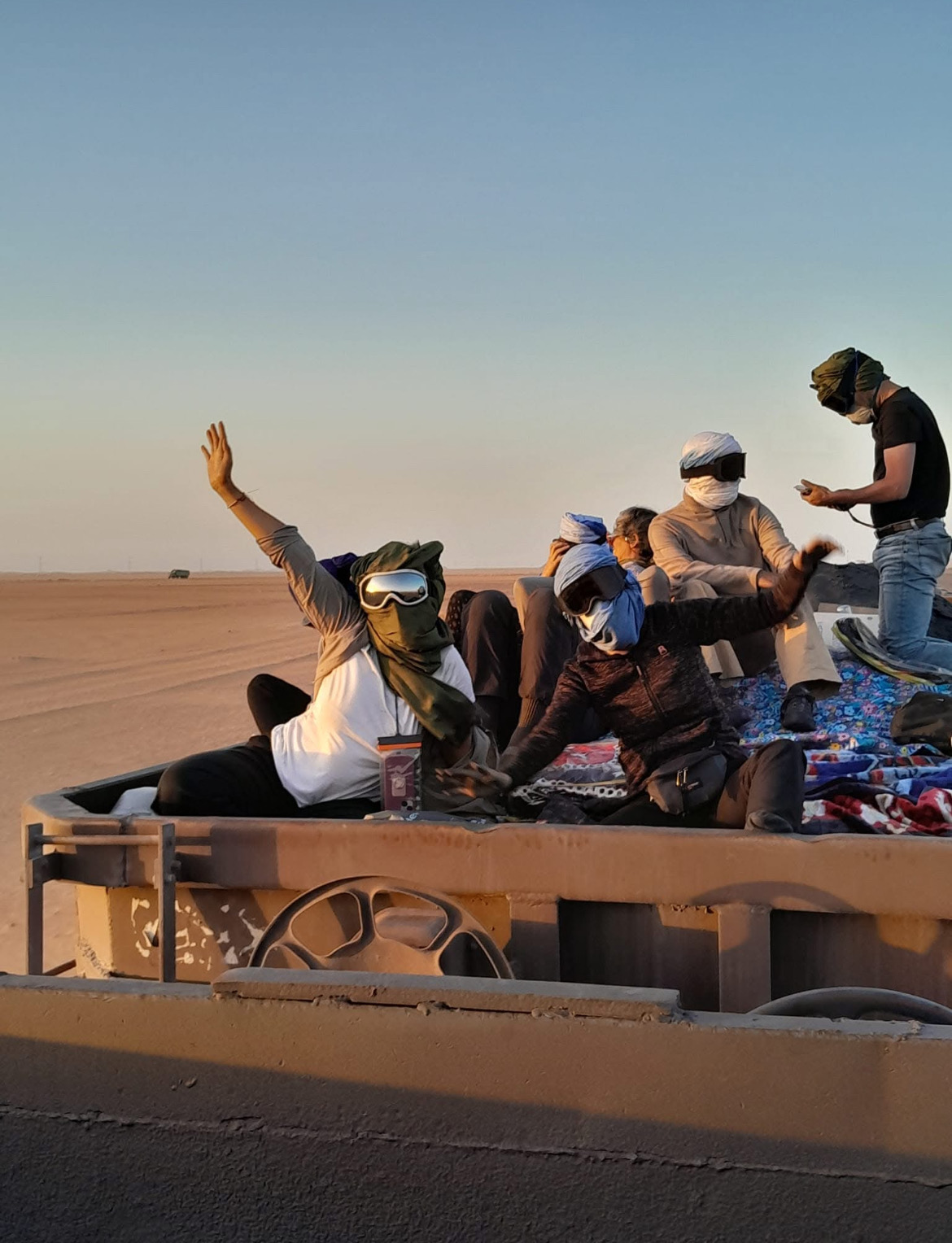 Iron Ore TrainNew Guide
Choum is not a destination. It is a moment — the point where 180km of desert driving converges with an unpublished train timetable and produces one of the most extraordinary boarding experiences in world travel.
Read the full guide →Iron Ore TrainNew GuideThe Mauritania Iron Ore Train is one of the world's longest and most remote train journeys — 704 kilometres across the Sahara, iron ore dust, and a desert sky that few travellers ever see. This guide covers everything: route, boarding point, wagons versus carriage, the schedule, packing, safety, best months, reaching Choum, and what to do in Nouadhibou.
Read the full guide →Tell us your dates, group size, and travel style. We'll help you organize the right trip — Iron Ore Train, Adrar desert, or both.